
Long Phuoc Tunnels
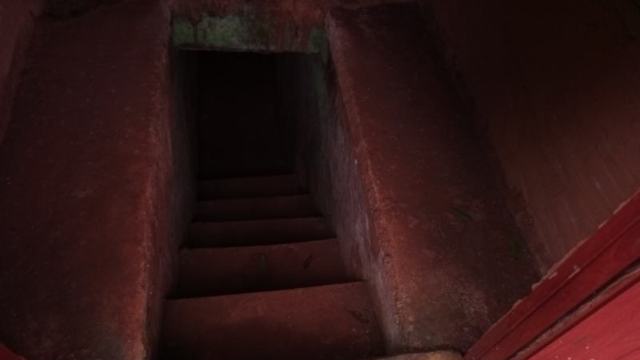
When exploring Vietnam’s rich and complex history, few places offer as gripping and immersive an experience as the Long Phuoc Tunnels. Located in Ba Ria-Vung Tau Province, this extensive tunnel network played a crucial role in the Vietnamese resistance against French colonial forces early in the 20th century and later during the Vietnam War against American and South Vietnamese troops. For travelers eager to understand the resilience and ingenuity that shaped Vietnam’s wartime history, the Long Phuoc Tunnels offer a unique and authentic glimpse into life underground during these turbulent periods.
Origins of the Long Phuoc Tunnels
The origins of the Long Phuoc Tunnels date back to the late 1940s when villagers began digging concealed hideouts to evade French military operations. These humble beginnings expanded over time into a vast and intricate system of tunnels stretching several kilometers beneath the ground. The region’s dense, compact soil was ideal for tunnel construction, which ensured the network’s durability against bombardment and heavy artillery. As the conflict escalated into the Vietnam War, the tunnels became a strategic stronghold for Viet Cong fighters, extending their functionality beyond shelter.
During the Vietnam War, the Long Phuoc Tunnels served multiple critical purposes for the Viet Cong. They acted as secure hideouts from enemy patrols and air strikes, storage areas for weapons, ammunition, food, and medical supplies, and even underground hospitals and command centers. The tunnels were cleverly designed with camouflage entrances hidden beneath thick vegetation or water bodies, ventilation shafts that allowed fresh air without revealing positions, and defensive booby traps to deter intruders.
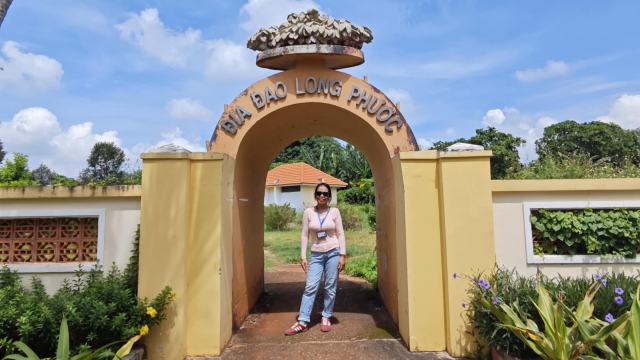
Long Phuoc Tunnels today
Walking through these tunnels today is both humbling and eye-opening. Unlike the more famous Cu Chi Tunnels near Ho Chi Minh City, Long Phuoc offers a less crowded experience. Visitors can pass through narrow passageways the way guerrilla soldiers once did, exploring various chambers used for living quarters, storage, and military planning. Exhibition areas nearby display artifacts and narratives that deepen visitors’ understanding of the hardships endured and tactics employed by those underground.
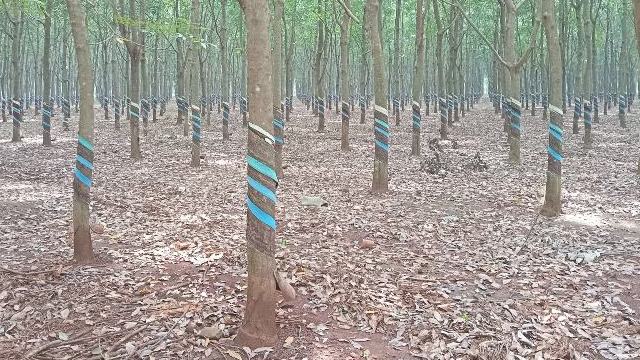
The Long Phuoc Tunnels stand as a testament to Vietnamese perseverance, tactical creativity, and communal solidarity. They symbolize a people’s unyielding spirit to resist foreign domination by adapting to harsh conditions and outsmarting a technologically superior enemy through guerrilla warfare. For history enthusiasts and curious travelers, a visit here offers a compelling educational experience that reveals the human scale of the conflict often lost in broad historical overviews. We visit Long Phuoc as part of our Vung Tau Battlefield Tour, taking in the rubber tree plantations and Long Tan Cross Memorial Site.
In addition to touring the tunnels themselves, visitors can explore other historical sites in Vung Tau, which include other war-related sites and memorials, enabling a fuller appreciation of the region’s role in Vietnam’s national struggle. Check out our guide to Minh Dam Mountain for more!
For travelers looking to explore a hidden gem off the beaten path, the Long Phuoc Tunnels provide an unforgettable journey into Vietnam’s underground past. With knowledgeable local guides sharing stories of bravery and survival, visitors come away with a profound respect for the Vietnamese people’s resilience during one of the most challenging times in their history.