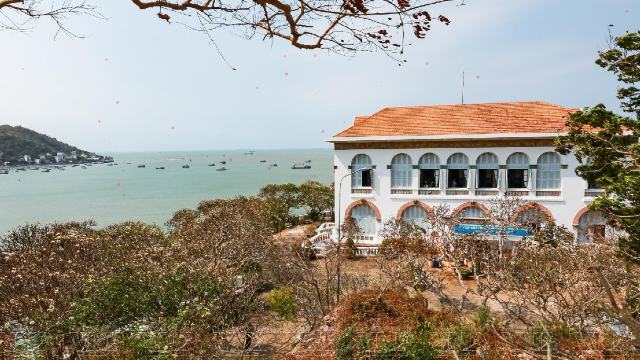
Bạch Dinh, popularly known as the White Palace, is one of Vung Tau’s most iconic landmarks. Perched 50 meters above sea level on the slopes of Big Mountain (Núi Lớn), this exquisite colonial-era mansion dates back to the late 19th century and offers visitors a captivating blend of history, architecture, and breathtaking coastal views. For those interested in Vietnam’s complex past and the elegance of French colonial design, the White Palace is an unmissable destination.
History of Vung Tau's White Palace
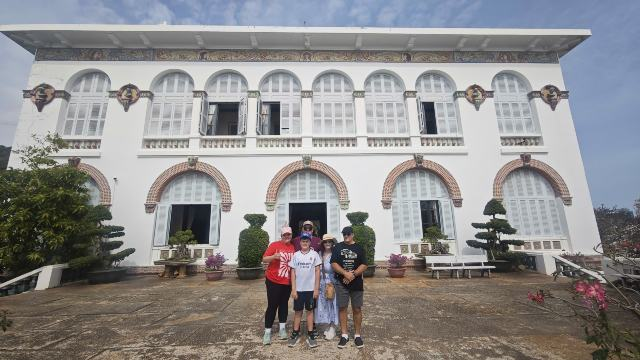
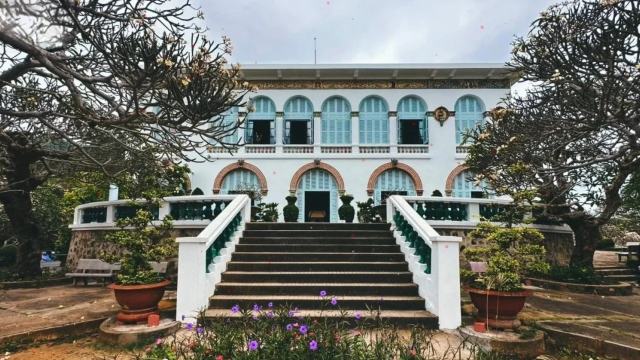
Construction of the White Palace began in 1898 under French colonial rule and was completed in 1902. Originally built as a summer retreat for the Governor-General of French Indochina, the palace – also called Villa Blanche – served as a place of rest away from the bustling city. Its design reflects European architectural styles of the era, featuring white-painted walls, grand granite pillars, wide balconies, tall arched windows, and spacious rooms flooded with natural light. The airy corridors and intricate woodwork showcase craftsmanship and attention to detail typical of colonial villas.
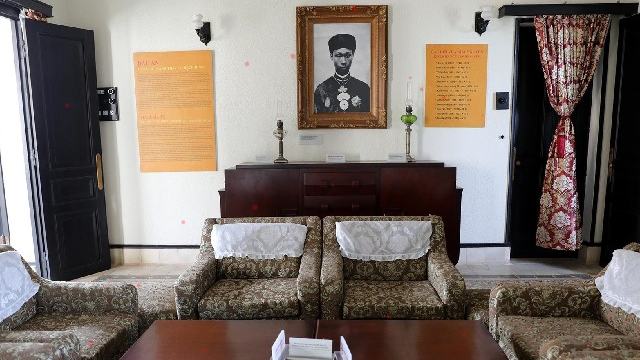
Throughout its history, the White Palace was more than just a vacation home. It became a residence for prominent figures such as Emperor Bao Dai, the last emperor of the Nguyen Dynasty, as well as various presidents of the Republic of Vietnam. A somber chapter in the palace’s story is its role as the place where King Thanh Thai – a Nguyen Dynasty ruler known for resisting French control – was placed under house arrest from 1907 to 1916.
The White Palace today
Today, the White Palace operates as a museum preserving artifacts, paintings, and furnishings that reflect both Vietnamese royal history and colonial influences. Visitors can wander through the elegant halls, admire the period furniture, and view paintings by famous Vietnamese artists depicting royal life and scenic landscapes. The palace’s location also rewards visitors with panoramic views of the surrounding sea, beaches, and the city of Vung Tau below.
Beyond its architectural beauty, Bạch Dinh stands as a symbol of the historical layers that have shaped Vietnam – from imperial dynasties and colonial rule to independent modern governance. Visiting the White Palace allows travelers to gain insight into the social dynamics and cultural shifts that mark the nation’s journey.