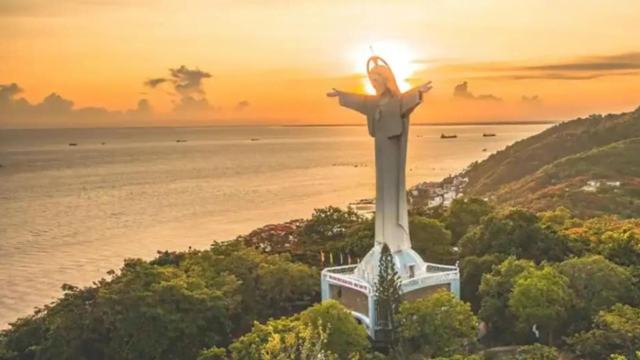
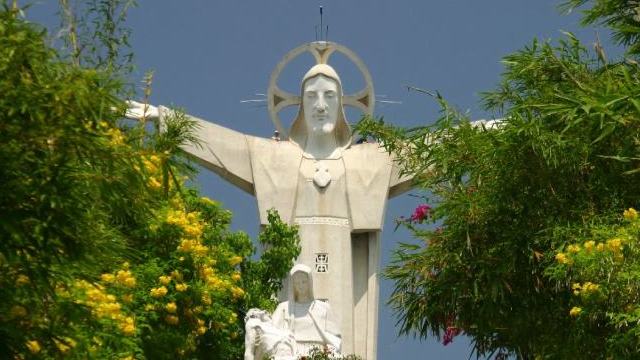
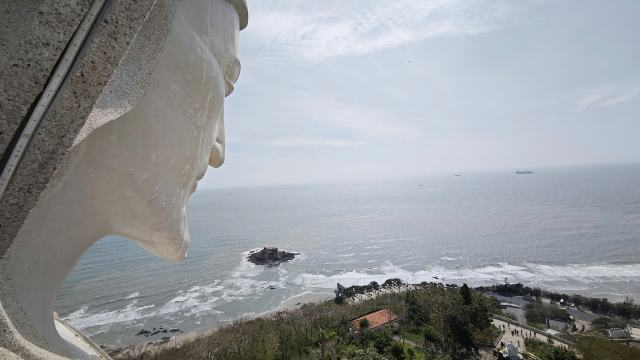
Rising gracefully atop Mount Nhỏ (Small Mountain) in Vung Tau, the Christ the King Statue, locally known as Tượng Chúa Kitô Vua, stands as one of Vietnam’s most iconic and spiritually significant landmarks. This monumental statue of Jesus Christ embodies faith, hope, and peace and draws visitors from across Vietnam and beyond, offering awe-inspiring panoramic views and a unique cultural experience.
Construction of Jesus Christ's statue
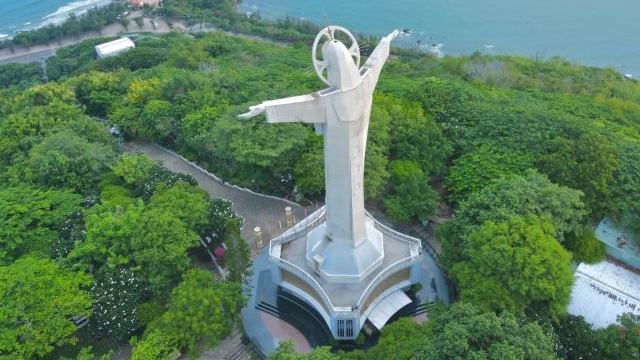
Construction of the statue began in 1974 under the leadership of the Vietnamese Catholic Church but faced interruptions due to the political climate of the time. It was finally completed and officially inaugurated on December 2, 1994. At 32 meters (105 feet) tall, with a 4-meter (13-foot) high platform, the entire structure reaches 36 meters (118 feet). Its outstretched arms span an impressive 18.3 meters (60 feet), symbolizing Christ’s embrace of all humanity. Since 2012, it has been recognized as the largest Christian statue in Asia, making it a monumental feat of both faith and engineering.
Making the most of your visit
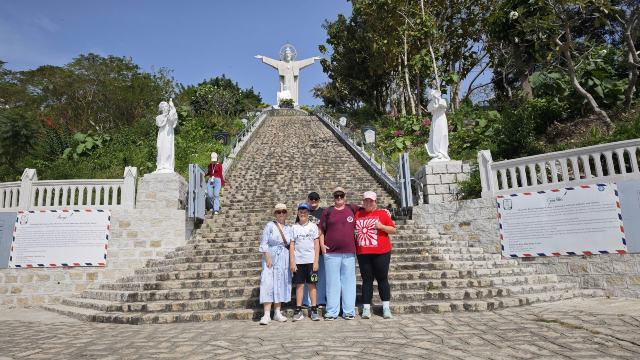
Visitors can climb a staircase of 133 steps inside the statue that leads to both arms, allowing up to 100 people at a time to enjoy breathtaking views of Vung Tau’s coastline, cityscape, and the vast South China Sea. The statue’s base houses exhibition rooms displaying the construction process, historical artifacts, and cultural symbols representing Vietnam’s diverse regions, adding an educational dimension to the visit.
The site around the statue is scenic and serene, with beautiful gardens, blooming flowers, and fresh sea air, making it a peaceful retreat from the bustling city below. Notably, nearby are two prominent bas-reliefs – the Last Supper at the front and the Delivery of the Keys to Saint Peter at the back – as well as a small Crucified Christ statue and an ancient cannon collection housed in underground bunkers connected by a network of tunnels.
The Christ the King Statue in Vung Tau is much more than a tourist attraction; it is a vital pilgrimage site where Catholics and visitors alike come to reflect, find spiritual solace, and experience a sense of unity and peace. Its commanding presence on the mountain serves as a beacon of hope, welcoming all with open arms.