Nestled in the coastal city of Vung Tau, the Whale Temple locally known as Lang Ca Ong or Thang Tam Temple – is a revered spiritual and cultural landmark that beautifully embodies the deep connection between the Vietnamese people and the ocean. This historic temple complex honors the whale, a venerated creature considered both protector and guide by generations of fishermen. Visiting the Whale Temple offers a unique opportunity to experience a fascinating blend of maritime folklore, religious tradition, and community devotion.
History of Vung Tau's Whale Temple
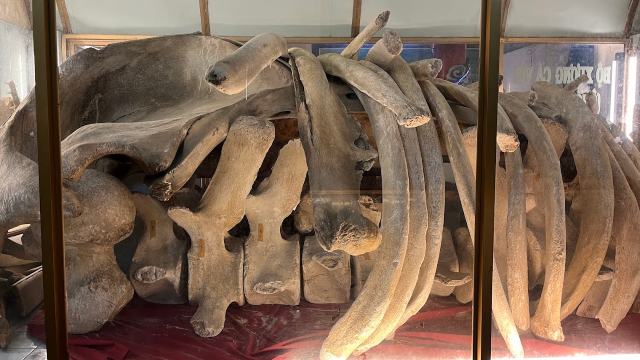
The origins of the Whale Temple date back to 1802 during the reign of King Minh Mang. Initially a humble bamboo and leaf structure, the temple was rebuilt with a tiled roof by 1835, evolving over the centuries into the magnificent complex seen today. The site includes three main components: the Thang Tam Temple itself, the Ba Ngu Hanh Temple (Temple of the Five Elements), and the Ca Ong Mausoleum, which famously houses the skeleton of a giant whale discovered by local fishermen about a century ago.
The whale holds a special place in Vietnamese coastal communities, especially around Vung Tau. Fishermen see these magnificent sea mammals as guardians who saved lives at sea and ensured bountiful catches. It is believed that whales are incarnations of Avalokiteshvara Bodhisattva and revered as the ‘Great Generals of the Southern Sea’, entrusted with divine protection of the local people and their livelihoods.
Things to discover in the Whale Temple
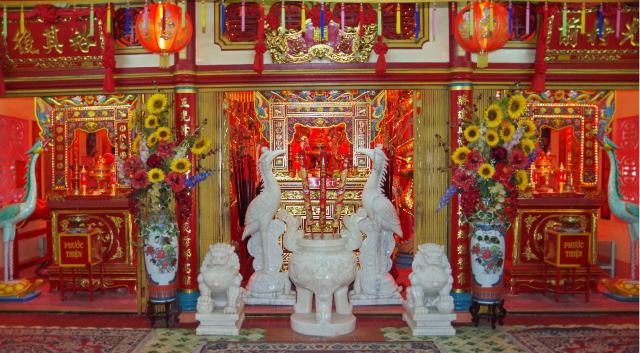
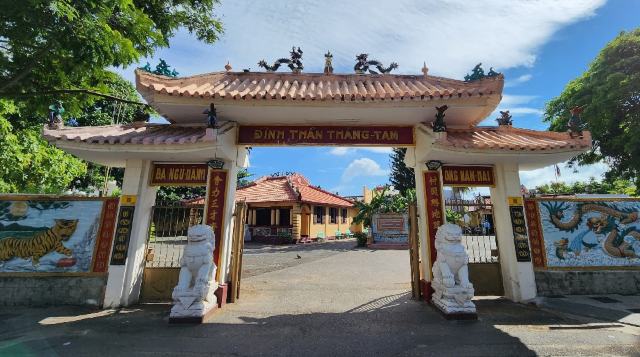
Approaching the temple, visitors pass through the grand Tam Quan gate, adorned with intricate bas-reliefs of dragons, tigers, eight immortals crossing the sea, and carps transforming into dragons – each symbolizing strength, protection, and transformation. Inside, the temple architecture showcases traditional Southern Vietnamese design with tiled roofs featuring the motif of ‘Two Dragons adoring the Moon’, elegant wooden altars, and lacquered boards inscribed with ancient Chinese and Vietnamese characters.
Within the Ca Ong Mausoleum, the centerpiece is the awe-inspiring 12-meter-long whale skeleton displayed in a glass case. This solemn relic not only highlights the temple’s spiritual significance but also serves as a tangible link to Vung Tau’s fishing heritage. Nearby altars honor other revered deities, including the Turtle God and traditional musical ancestors, emphasizing the temple’s role as a hub of local cultural and spiritual life.
The Whale Temple remains a vibrant site for rituals, festivals, and daily worship. Locals and visitors alike come to pray for safe sea journeys, successful fishing seasons, and communal prosperity. Its festivals, rich with traditional singing, lion dances, and offerings, are a colorful celebration of faith and the enduring bond between humanity and the sea.
For those visiting Vung Tau, you can stop by the Whale Temple on our History Tour and City Tour. Happy travels!